
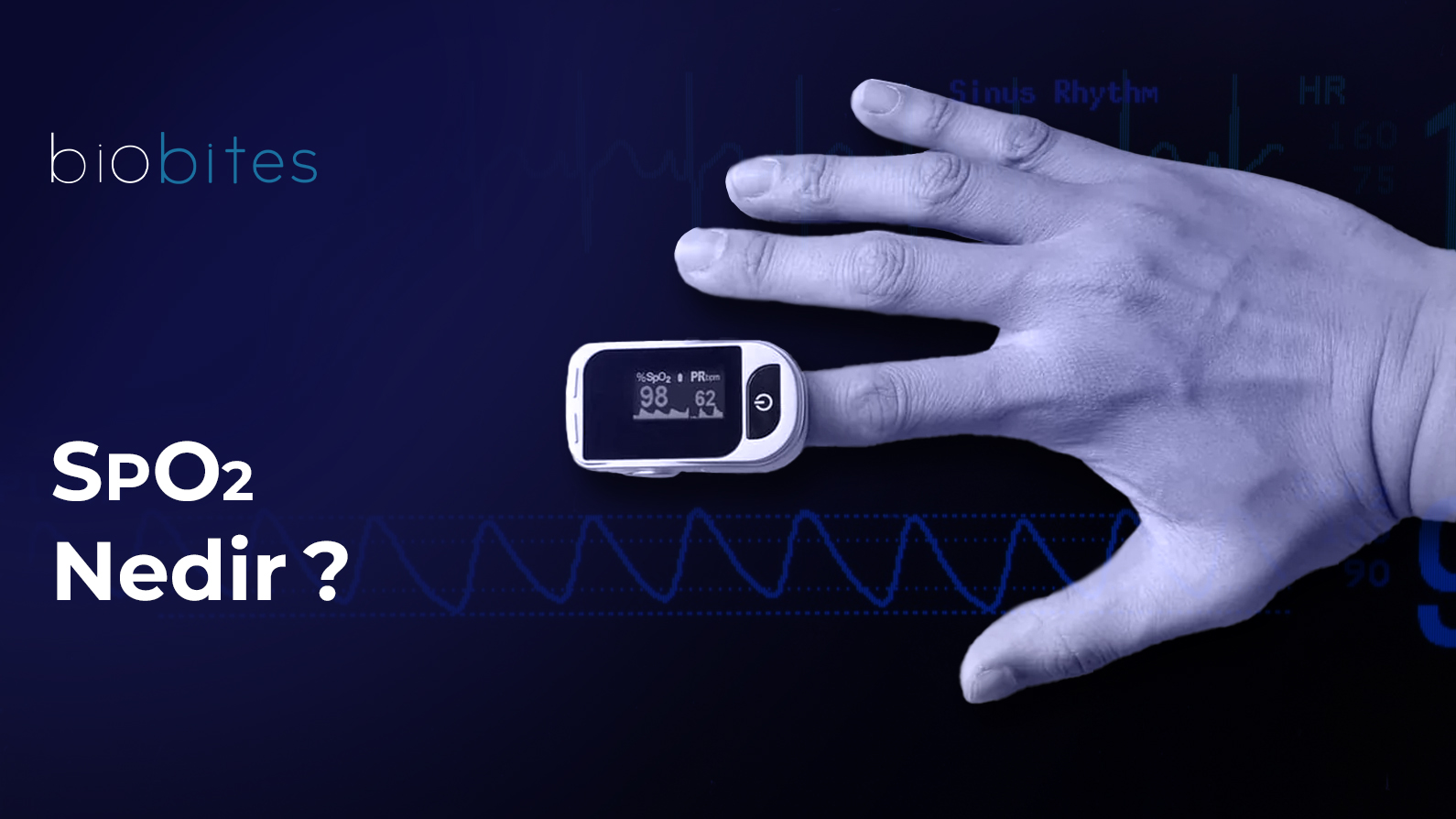
SpO₂, stands for peripheral oxygen saturation and refers to the oxygen saturation of the blood. This value represents the ratio of oxygen-bound hemoglobin to total hemoglobin. The body needs a certain amount of oxygen to function properly and remain healthy, because low SpO₂ levels can lead to serious complications.
SpO₂ is usually measured non-invasively with a pulse oximeter placed on a fingertip, earlobe, or toe. This device uses red and infrared light wavelengths to determine the oxygen saturation of hemoglobin. Normal SpO₂ values are generally considered to be between 95% and 100%. Values below 90% are referred to as hypoxemia, which can negatively affect organ function.
SpO₂ measurement is important for assessing the effectiveness of the respiratory and circulatory systems. It is particularly used to monitor patients with chronic respiratory diseases, cardiovascular conditions, or those under anesthesia. Low SpO₂ levels may indicate a need for oxygen therapy or other medical interventions.
How Is SpO₂ Measured?
SpO₂ is usually measured non-invasively using a pulse oximeter medical device.
Pulse oximeters usually work through sensors placed on thin, well-perfused areas of the body, such as a fingertip, earlobe, or toe. The device uses two different wavelengths of light to determine the oxygen saturation of hemoglobin. Oxygenated and deoxygenated hemoglobin absorb these lights at different rates; the device analyzes this difference to calculate SpO₂.
Measurement
- Sensor Placement: The sensor is attached to a fingertip or another suitable site. The site should be clean, dry, and free of substances such as nail polish that may affect light transmission.
- Light Emission and Detection: The device emits red (660 nm) and infrared (940 nm) light. As this light passes through tissue and blood vessels, it is absorbed by hemoglobin.
- Signal Analysis: The photodetector detects light passing through the tissue and determines how much is absorbed by oxygenated and deoxygenated hemoglobin. The device's microprocessor processes this data to calculate the SpO₂ percentage.
Points to Consider
- Effects of Movement and Light: Patient movement or ambient light may affect measurement accuracy. It is therefore recommended that the patient remain still and ambient light be controlled during measurement.
- Circulatory Conditions: Cold extremities or low peripheral perfusion may prevent the sensor from obtaining accurate data. In these cases, the sensor may need to be moved to another site or the patient's temperature regulated.
- Nail Polish and Artificial Nails: Especially with fingertip sensors, nail polish or artificial nails may affect light absorption and lead to inaccurate results. Nails should therefore be cleaned before measurement.
Oxygenation Efficiency and SpO₂ Monitoring
Oxygenation efficiency indicates how effectively the body uses oxygen. SpO₂ monitoring helps assess this efficiency in the following ways:
- Early Warning System: Decreases in SpO₂ levels may be early signs of respiratory or circulatory problems. This allows potential problems to be identified and addressed quickly.
- Assessment of Treatment Effectiveness: In patients receiving oxygen therapy or ventilatory support, SpO₂ monitoring shows the effectiveness of treatment and enables necessary adjustments.
- Management of Chronic Diseases: In conditions such as COPD or asthma, regular SpO₂ monitoring helps track disease progression and prevent exacerbations.
Limitations of SpO₂ Monitoring
Although SpO₂ monitoring provides valuable information about oxygenation efficiency, it has certain limitations:
- Anemia: When hemoglobin levels are low, tissues may not receive enough oxygen even if SpO₂ appears normal.
- Carbon Monoxide Poisoning: Carbon monoxide binds to hemoglobin more strongly than oxygen, and SpO₂ measurements may be misleadingly high.
- Methemoglobinemia: In this condition, SpO₂ measurements often remain around 85% and may provide inaccurate information about the actual oxygenation status.
Frequently Asked Questions
- What is a normal SpO₂ value?
In a healthy individual, a normal SpO₂ value should generally be between 95% and 100%.
- What does low SpO₂ mean?
Low SpO₂ indicates that the oxygen level in the blood has fallen below normal and tissues are not receiving enough oxygen. This condition is called hypoxemia and may signal serious health problems.
References
- Dcosta, Jostin Vinroy, Daniel Ochoa, and Sébastien Sanaur. “Recent Progress in Flexible and Wearable All Organic Photoplethysmography Sensors for SpO2 Monitoring.” Advanced Science 10.31 (2023): 2302752.
- Mc Namara, Helen M., and Gary A. Dildy III. “Continuous intrapartum pH, pO2, pCO2, and SpO2 monitoring.” Obstetrics and gynecology clinics of North America 26.4 (1999): 671-693.
- Eriş, Ömer, et al. “İnternet Üzerinden Hasta Takibi Amaçlı PIC Mikrodenetleyici Tabanlı Kablosuz Pals-Oksimetre Ölçme Sistemi Tasarımı ve LabVIEW Uygulaması.” VII. Ulusal Tıp Bilişimi Kongresi Bildirileri 16 (2010): 16-25.