
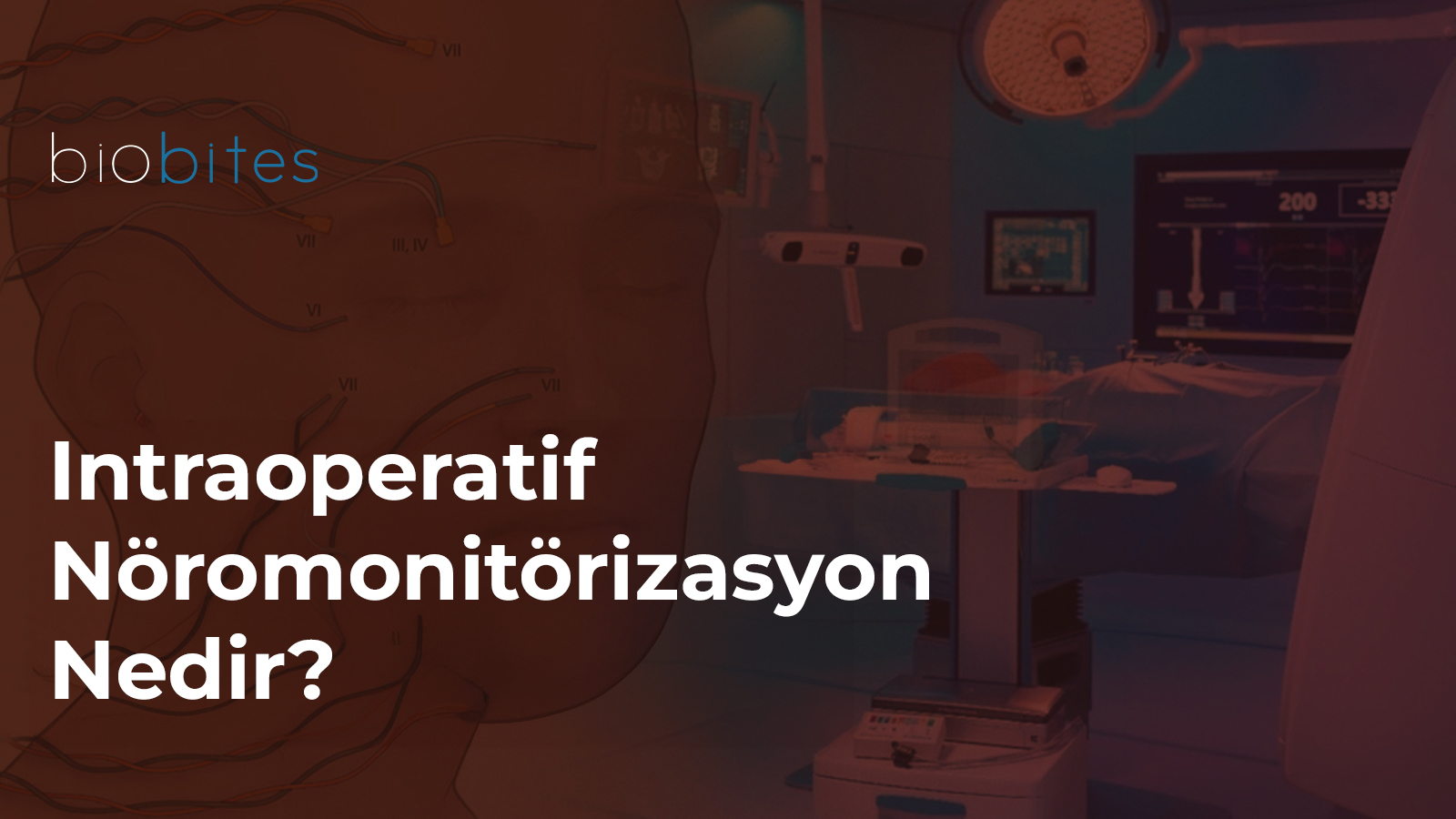
Intraoperative neuromonitoring (IONM), is a technique intended to monitor and protect the nervous system, particularly the nerves and spinal cord, during surgery. It is especially used in operations with a high risk of damage to nerves or the nervous system.
IONM reduces the risk of permanent damage by enabling nerve function monitoring during operations that could harm the nervous system. Particularly in surgical procedures involving the brain, spinal cord, and nerve roots, potential nerve damage can be identified in advance, assisting the surgeon. A neuromonitoring deviceallows nerve tissue to be monitored and protected. For example, using IONM during brain tumor and spinal surgery prevents complications such as sensory loss or paralysis.
In addition, nerve monitoringcan positively affect postoperative recovery. It improves the patient's quality of life by minimizing permanent loss of motor and sensory function.
Benefits of Neuromonitoring for Patient Health
IONM offers significant health and safety benefits by enabling real-time monitoring of the patient's nervous system during surgery. A neuromonitoring device is frequently used in brain, spinal, vascular, and thyroid surgeryto minimize surgical risks by preventing damage to nerve tissue.
Operations in Which Neuromonitoring Devices Are Commonly Used
- Thyroid & Parathyroid Surgery: This is an important technology that helps prevent nerve injuries. The technique focuses particularly on protecting the nerves supplying the vocal cords. Damage to these nerves, which lie very close to the thyroid gland, may cause postoperative complications such as hoarseness or even loss of voice. IONM monitors these nerves, allowing the surgeon to work precisely and reducing the risk of nerve injury. IONM is especially useful in recurrent goiter and complex thyroid operations, reducing unwanted outcomes such as hoarseness and accelerating postoperative recovery.
- Spinal Surgery: In spinal surgery, IONM plays an important role in protecting nerve roots, the spinal cord, and neural pathways. The risk of nerve or spinal cord injury is considerable during spinal operations, so a monitoring system is needed to help the surgeon perform the procedure safely.
- Brain Surgery: Brain operations are performed in areas containing delicate nerve tissue. By monitoring the brain and nervous system, a neuromonitoring device helps protect neurological structures.
- Peripheral Nerve Surgery: Peripheral nerves transmit sensory and motor signals to specific regions of the body. Damage to these nerves can therefore cause complications such as loss of muscle control, sensory disturbances, or pain. During peripheral nerve surgery, a neuromonitoring device provides the surgeon with real-time information to help prevent nerve damage and nerve monitoring provides support.
- Vascular Surgery: Used when nerves are close to vascular structures and nerve damage poses a risk. Protecting the nerves surrounding a vessel is particularly important during operations on major blood vessels. For example, the risk of nerve damage is considerable during procedures such as carotid artery surgery or aortic aneurysm repair.
Frequently Asked Questions
1)What are the risks of not using neuromonitoring in certain surgeries?
The risk of nerve damage increases in surgery without neuromonitoring, potentially causing permanent or temporary neurological complications. If nerves cannot be protected, patients may experience permanent paralysis, loss of sensation, sensory disturbances, or motor and sensory deficits.
2) Who performs and monitors intraoperative neuromonitoring (IONM) during surgery?
The neuromonitoring device is set up by a neuromonitoring specialist and used during surgery in collaboration with the surgeon and anesthesiologist.
3) Is intraoperative neuromonitoring safe for all patients?
Although IONM is generally considered safe, electrodes in contact with the skin may cause allergic reactions or skin irritation in some patients. Electrodes may also cause temporary side effects such as localized pain or muscle spasms.
References
- Skinner, S.A. ∙ Cohen, B.A. ∙ Morledge, D.E. Practice guidelines for the supervising professional: intraoperative neurophysiological monitoring. J Clin Monit Comput. 2014; 28:103-111
- R Malik, D Linos. Intraoperative neuromonitoring in thyroid surgery: a systematic review. World journal of surgery, 2016 – Springer
- Wong, Andrew K., et al. “Intraoperative neuromonitoring.” Neurologic Clinics 40.2 (2022): 375-389.
- Shils, Jay L., and Tod B. Sloan. “Intraoperative neuromonitoring.” International anesthesiology clinics 53.1 (2015): 53-73.